September 15, 2026
Vehicle tinting can do more than give a car a sleek, customized appearance. The right window film can help reduce glare, limit heat buildup, increase privacy, and protect the vehicle's interior from prolonged sun exposure. However, drivers often have questions about how tinting works, which films to choose, and what rules apply to tinted windows. Understanding these factors can help you determine whether vehicle tinting is right for your car and identify an option that fits your needs. This guide answers some of the most common questions drivers ask about vehicle tinting, from its basic benefits and legal requirements to choosing and maintaining the right film. Keep reading to learn what you should know before tinting your vehicle's windows.
1. How Does Vehicle Tinting Work?
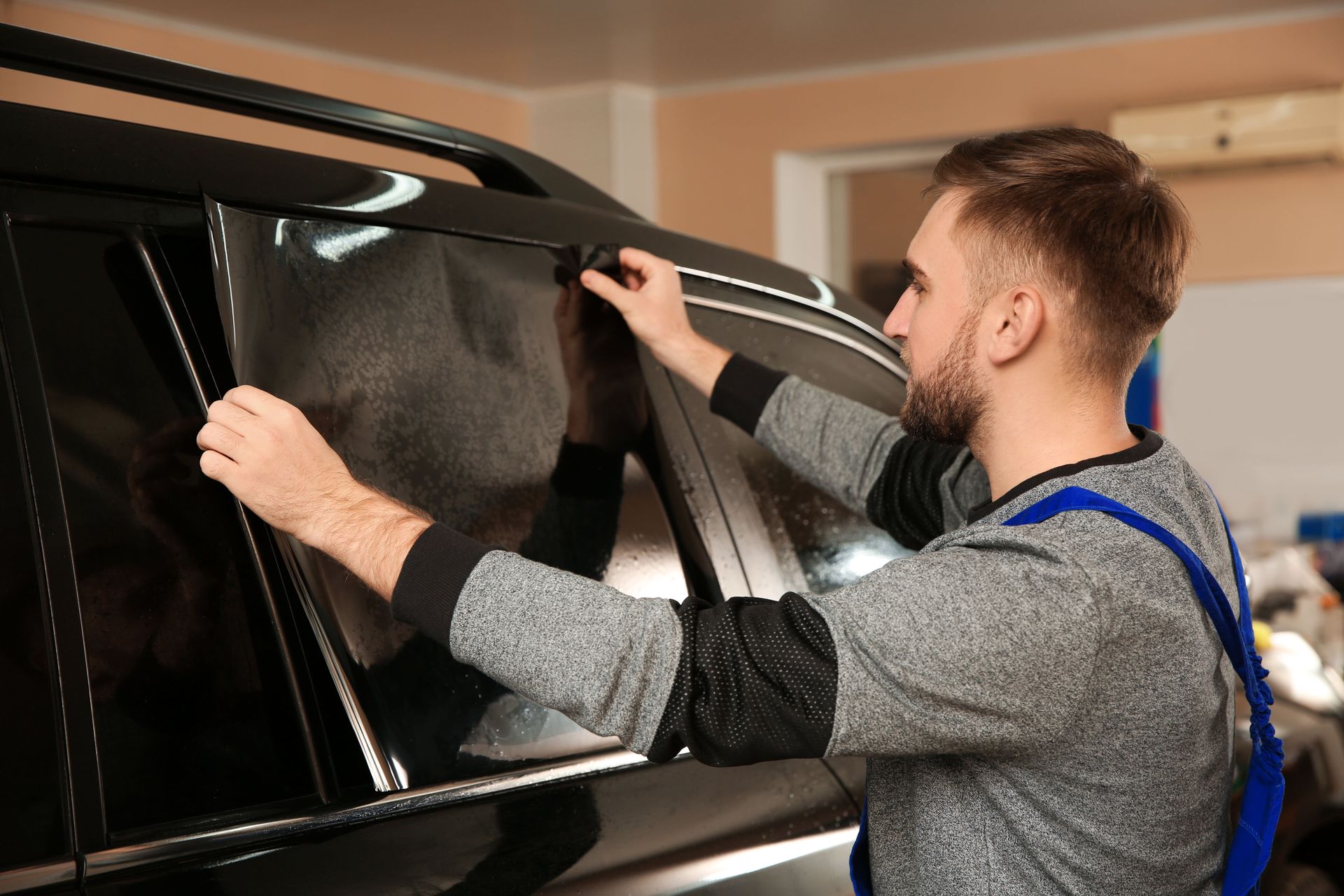
Vehicle tinting refers to the process of applying a thin film to the windows of a vehicle. This film is made from polyester and contains pigments and dyes that control sunlight exposure, thereby enhancing various functional and cosmetic attributes of the vehicle. The tinted film works primarily by reflecting a portion of the sunlight that hits the vehicle's windows, reducing the amount of visible light, infrared light, and ultraviolet rays that penetrate the interior. This process is pivotal in maintaining the temperature inside the car, providing a cooler and more comfortable ride on sunny days.
Tinted windows offer privacy by limiting the visibility from outside the vehicle into the interior, thus allowing occupants to feel secure and safe. Moreover, it protects the vehicle's interior, such as the dashboard and upholstery, from fading and damage due to prolonged exposure to sunlight. According to Research Nester, the automotive tinting film market reached approximately $8.6 billion in 2025 and is projected to reach $17.4 billion by the end of 2035. This projected growth reflects the increasing interest in vehicle tinting and the benefits it can provide to drivers.
The application process of vehicle tinting is meticulous and requires professional expertise to ensure quality results. The film is carefully cut to fit the exact dimensions of the windows and is adhered using a special adhesive. Following application, the film needs time to cure, and during this phase, it's recommended to keep the windows up to allow the film to set properly. Maintenance of the tint is crucial in prolonging its lifespan, which we will cover in subsequent sections of this article.
2. What Are the Legal Requirements for Vehicle Tinting?
The legality of vehicle tinting varies considerably from one jurisdiction to another. Each region prescribes specific rules regarding how dark or reflective a tint can be for different windows in a vehicle. Generally, the front windshield is the most regulated area, with minimal tinting allowed primarily for the top section of the window. As such, it's critical for vehicle owners to check local laws before proceeding with window tinting to avoid potential fines and the need for costly removal of non-compliant films.
Compliance with legal standards ensures that drivers maintain adequate visibility while driving, particularly in low-light conditions. Regulations are designed to balance privacy and safety, and failing to meet these requirements could lead to penalties, including failed vehicle inspections. It's worth noting that some states offer exemptions for medical conditions that require tinted windows, thus offering some leeway under specific circumstances. Therefore, it's advisable to consult with tinting professionals who are knowledgeable about the prevailing regulations in your area.
For drivers seeking to tint their vehicles, understanding the legal implications is paramount. Besides avoiding legal complications, adhering to regulations also means ensuring that vehicle insurance remains valid. Failure to comply may result in coverage issues should an accident or claim occur while using a non-compliant vehicle. Thus, vehicle tinting must inherently include considerations about legality to ensure a seamless and hassle-free experience.
3. How Do You Choose the Right Tint for Your Vehicle?
Choosing the right tint for your vehicle involves a balance between functionality, legality, and aesthetic preference. Firstly, consider the primary reason you want a tint – whether for privacy, UV protection, or temperature control. Tints vary in terms of their visible light transmission (VLT) percentage, which determines how dark the tint appears. Higher VLT indicates a lighter tint and vice versa, and your choice should align with your individual needs and legal limitations in your area.
Once functional needs are outlined, it is essential to evaluate the different types of tint films available in the market. Options include dyed tints, metallic tints, hybrid tints, and ceramic tints, each offering distinct advantages and price points. For instance, ceramic tints offer superior durability and heat rejection capabilities without interfering with electronic devices, though they come with a higher price tag. Your budget, alongside the technical specifications of each tint type, should guide your decision-making process.
Aesthetics play a significant role in vehicle tinting, as the overall look can enhance your vehicle's appearance and personal satisfaction. It's beneficial to visualize how the tint complements the vehicle's color and style, as well as how it integrates with your lifestyle. Consultations with experienced tinting providers can offer insights and samples to help visualize different options on your vehicle, ultimately aiding in selecting a tint that meets all your criteria effectively.
4. How Should You Maintain Tinted Windows?
Proper maintenance and care are crucial to the longevity and appearance of tinted windows. Immediately post-installation, it's recommended to avoid rolling down the windows for at least a week, ensuring that the tint has adhered correctly and cured. Cleaning should be done with gentle, non-ammonia-based cleaning agents to prevent damage to the film. Soft microfiber cloths should be used to avoid scratching the surface during cleaning processes.
Routine cleaning and inspections prevent the accumulation of dirt and grime, which could potentially scratch or degrade the tint over time. Periodically check for signs of bubbling, peeling, or fading, which may occur due to improper installation or inferior quality film. In such instances, professional examination and remediation are advised to prevent further damage and ensure the integrity of the tint is maintained.
An often overlooked aspect of tint maintenance is regular attention to the seals and gaskets around the windows, which can, over time, create stress points on the tint if they become warped or damaged. By addressing these as they arise and maintaining a gentle approach to window operation, the tint can remain in pristine condition for years. Consistent care not only extends the life of the tint but also keeps the vehicle looking its best while continuing to offer the desired benefits.
Vehicle tinting can offer drivers a combination of practical and aesthetic benefits, but choosing the right film requires careful consideration. Understanding how tint works, checking local regulations, evaluating different film options, and following proper maintenance practices can help you get the most from your investment. Whether your priority is improving privacy, reducing heat and glare, protecting your vehicle's interior, or enhancing its appearance, taking the time to select and maintain the right tint can make a meaningful difference. A professional vehicle tinting provider can also help you compare available films and determine which option best suits your vehicle. By asking the right questions before installation, you can feel more confident about your decision and avoid issues related to improper film selection or local tinting requirements. Reach out to Putnam Window Tint to learn more about our services today.